
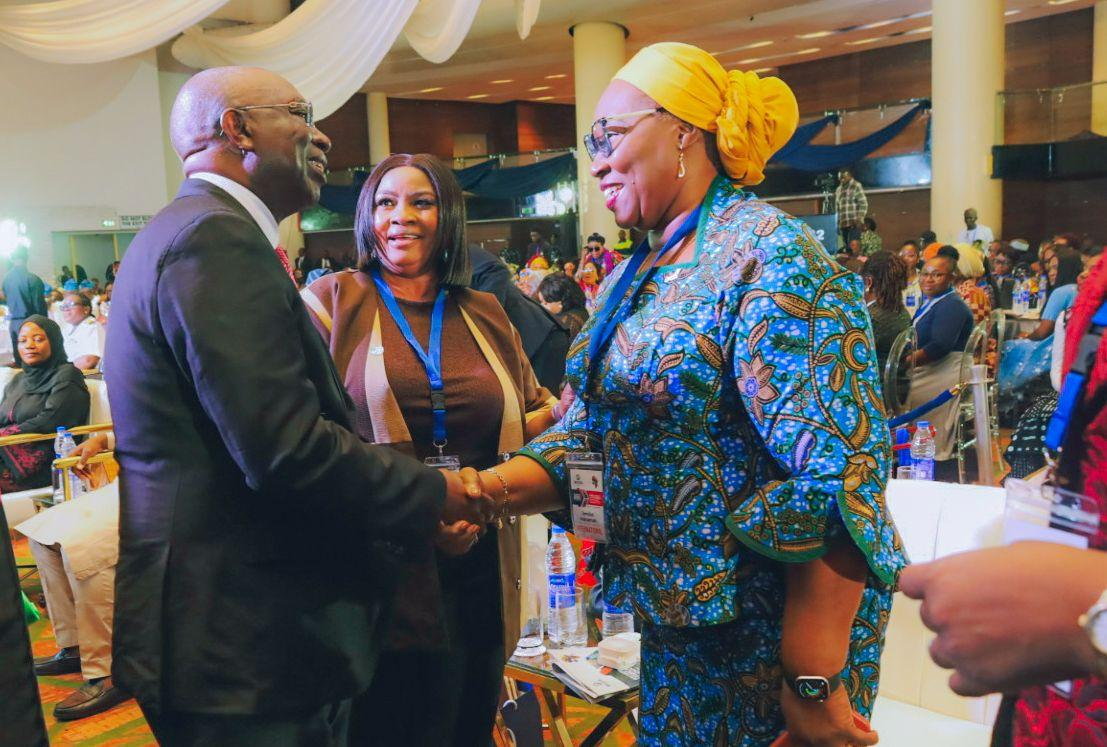
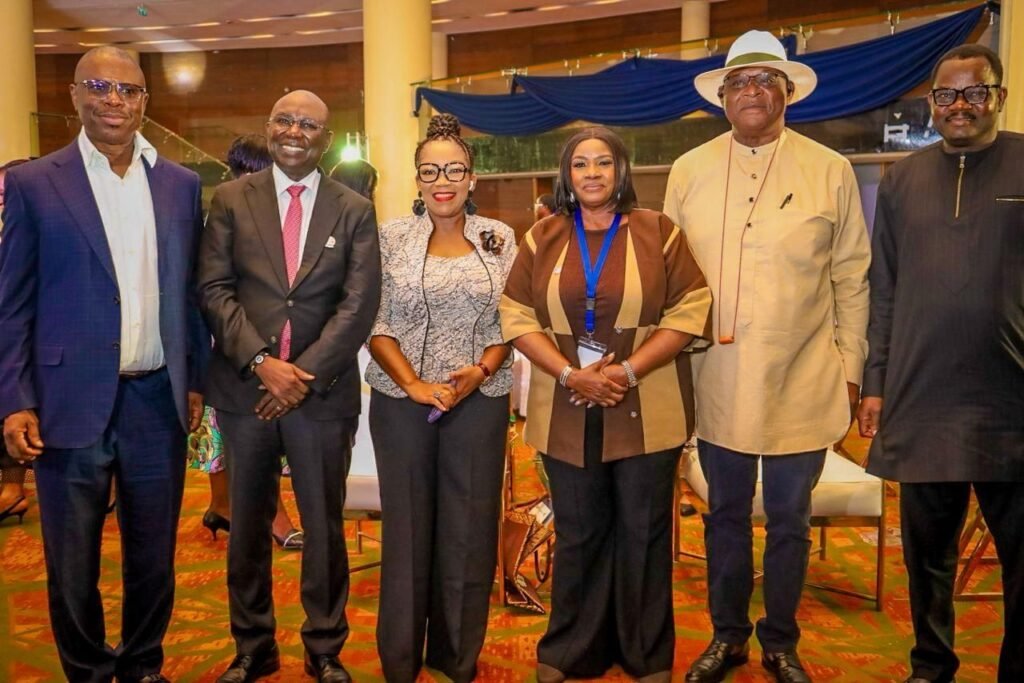
Women’s International Shipping and Trading Association (WISTA) Nigeria has ended the 8th WISTA Africa Regional Conference it organized in Lagos with participants calling for an action driven maritime policies to ensure the sustainable growth of the maritime sector of the economy.
The participants who took turns to speak at the regional conference which was attended by delegates across Africa were unanimous in their position that Africa need to shift from enacting policies to swift execution for the benefits of the people.
The President of WISTA, Nigeria, Dr. Odunayo Ani in her address at the conference with the theme, “From Policy to Progress: Women Delivering Africa’s Shipping and Trade Energy Future”, called for a stronger collaboration among governments, regulators and industry stakeholders to ensure that Africa’s maritime and blue economy policies translate into measurable outcomes that promote inclusive growth, enhanced trade and sustainable development.
Ani averred that Africa’s blue economy presents enormous opportunities to strengthen trade corridors, improve maritime connectivity and unlock economic prosperity through the African Continental Free Trade Area (AfCFTA).
Her words: “Policy must translate into measurable impact, while collaboration must drive innovation. Together, we can build a more resilient, competitive and inclusive maritime industry for Africa.”
She expressed appreciation to the Federal Ministry of Marine and Blue Economy, the Nigerian Maritime Administration and Safety Agency (NIMASA), the International Maritime Organization (IMO), WISTA International and other partners for supporting the conference.
The Minister of Marine and Blue Economy, Alhaji Adegboyega Oyetola in his speech at the occasion called for urgent action to eliminate the barriers that limit women participation just as he emphasized that women are already making significant contributions towards the development of the maritime industry.
Continuing, Oyetola who was represented by the Director of Planning, Research and Statistics in the ministry, Hajia Kalthum Ibrahim said: “the challenge before us is to remove the barriers that still limit participation and to create the partnerships that enable women to enter, thrive and lead within the industry. We must invest in skills development, strengthen institutions, leverage technology, deepen regional cooperation and create conditions that allow women and young people to contribute meaningfully to the sector’s goals”.
The Director General of NIMASA, Dr. Dayo Mobereola in his remarks, reaffirmed the agency’s commitment to promoting gender inclusion and sustainable growth within the maritime industry.
Said he: “NIMASA remains a proud partner of WISTA and will continue to support initiatives that promote gender inclusion, professional excellence and sustainable maritime development. Collaboration among governments, industry stakeholders and professional associations remain essential to unlocking Africa’s maritime potential.”
In his keynote presentation, maritime strategist and former Director General of NIMASA, Dr. Dakuku Peterside challenged African governments to move beyond policy formulation to practical implementation.
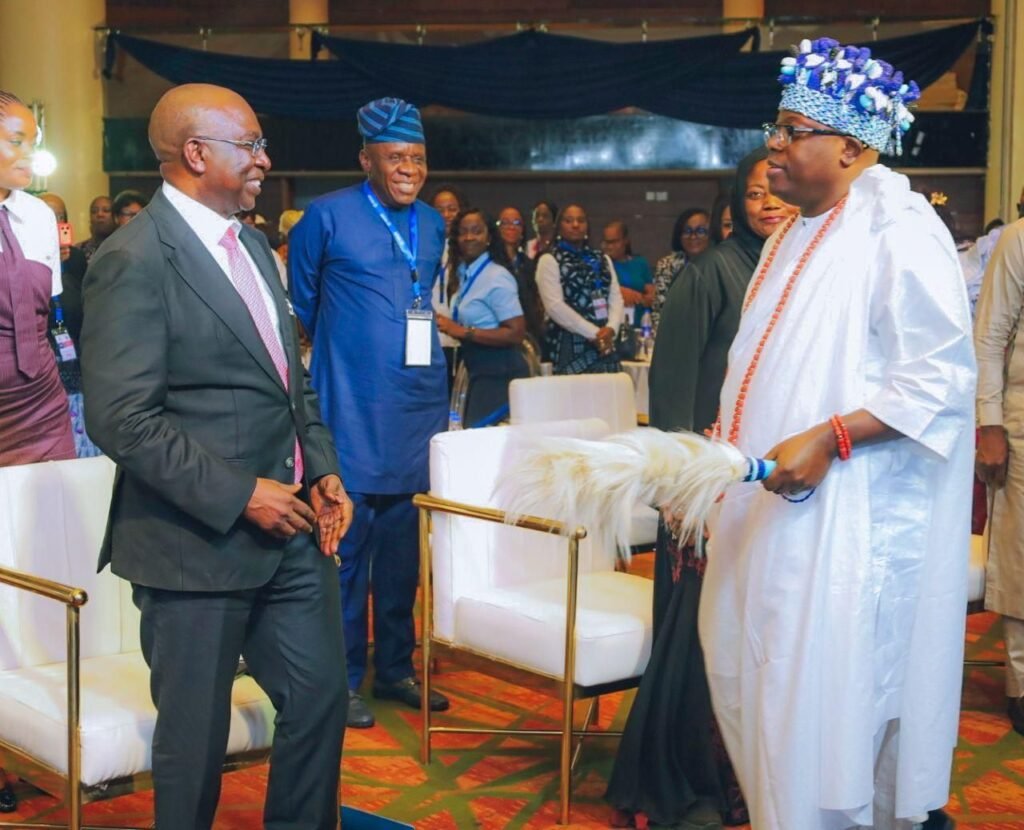
Peterside stressed that the continent has signed numerous international conventions, regional agreements and maritime strategies but has yet to fully unlock their economic benefits through deliberate execution.
His words: “Africa must deliberately move from signing policies to building institutions, infrastructure and capacity. We must also create greater opportunities for women to participate in maritime leadership because experience has shown that women bring stability to decision-making and are indispensable to the future of Africa’s maritime industry.”
The erstwhile NIMASA helmsman noted that shipping drives global trade, while trade depends on efficient ports, modern infrastructure, reliable institutions and a skilled maritime workforce.
He described Africa’s transition to a greener maritime industry as an opportunity to modernise ports, strengthen indigenous shipping capacity, develop regional logistics networks, attract green investments and create employment for young Africans.
He further advocated stronger enforcement of maritime policies, greater institutional coordination, increased investment in maritime education and innovative financing models to position Africa for greater competitiveness in global shipping.
The Oniru of Iru Kingdom, His Royal Majesty Oba Abdulwasiu Omogbolahan Lawal, Abisogun II, in his goodwill message, described the blue economy as one of Africa’s greatest opportunities for sustainable development.
The royal father stressed that women have consistently played pivotal roles in commerce, entrepreneurship and community development across the continent.
He commended WISTA Africa and WISTA Nigeria for creating a platform that promotes dialogue, collaboration and practical solutions for the maritime sector.
The Chairperson of the Convention Planning Committee, Dr. Oma Ofodile had in his welcome address to participants and delegates from across Africa and beyond, described the conference as a historic milestone for WISTA Nigeria.
Ofodile commended the organising committee, partners and volunteers for delivering a successful conference and urged participants to ensure that discussions translate into practical actions capable of advancing Africa’s maritime industry.
A high-level plenary session with the theme: “From Commitment to Delivery: Maritime Policy, Net-Zero Transitions and Trade in Africa: Bridging the Gap between What Africa Signs and What Africa Builds,” examined practical strategies for transforming Africa’s maritime commitments into tangible development outcomes.
Panelists emphasised the need for sustained investment in port infrastructure, stronger policy implementation, indigenous shipping capacity, regional collaboration, trade facilitation and climate-resilient maritime systems.
They agreed that unlocking the full potential of Africa’s blue economy will require coordinated action by governments, regulators, the private sector and development partners to enhance the continent’s competitiveness in global shipping and trade.