
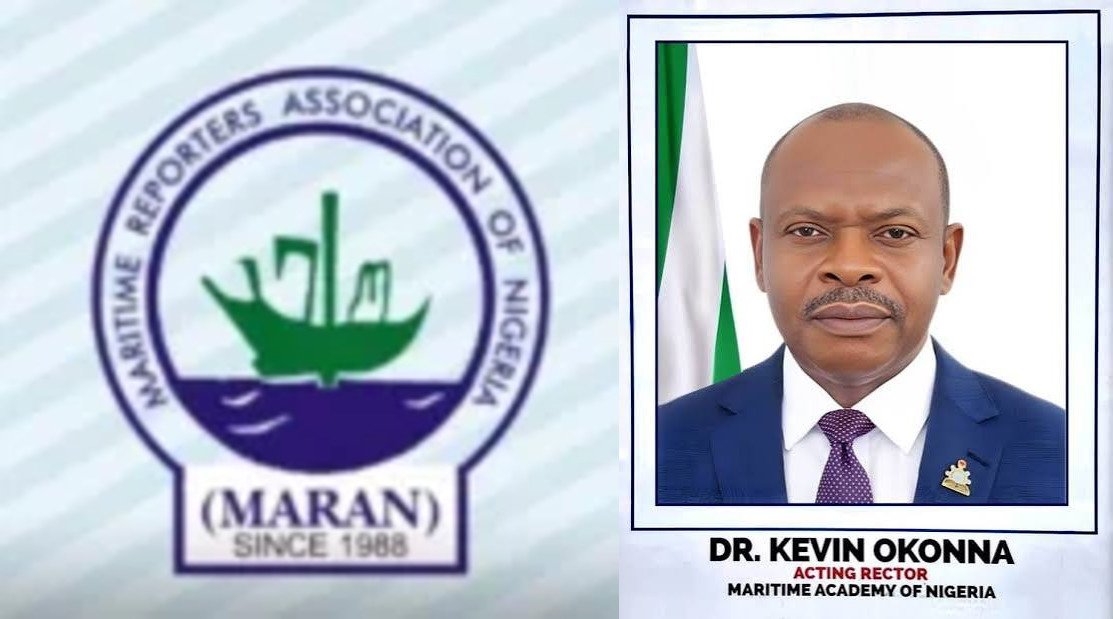
By Kevin Okonna
It is a pleasure to be part of this important gathering, convened to deliberate on a subject that is central to Nigeria’s maritime future: “Nigerian Ports Modernization, Charges and the Competitiveness Question.
On behalf of the management, staff and cadets of the Maritime Academy of Nigeria (MAN), I commend the organisers for creating this platform for stakeholders to engage in meaningful dialogue on the challenges and opportunities confronting our ports and the broader maritime industry.
The competitiveness of Nigeria’s ports is fundamentally about efficiency, innovation, safety, technology, regulation and most importantly, the quality of human capital driving the maritime sector.
A modern port requires modern infrastructure, and competent professionals who can operate, manage and sustain the infrastructure to international standards. As Nigeria’s foremost maritime training and education centre, the Maritime Academy of Nigeria recognises the important role it must play in this regard, hence we have continued to invest in modern training infrastructure, advanced simulators, practical training facilities and improved learning environments, while strengthening our partnerships with key stakeholders within and outside Nigeria.
As we discuss port modernisation and competitiveness, we must recognise that our future ports will be driven by both technology and people. The Maritime Academy of Nigeria remains committed to aligning its training programmes with industry needs, international conventions and emerging technologies. Our modern simulation facilities, specialised seafarers training centre, marine engineering workshops and other practical training infrastructure provide our cadets and other maritime professionals with opportunities to develop competencies that are relevant to both the Nigerian and global maritime markets.
The Federal Government’s renewed emphasis on the Marine and Blue Economy sector aims to position Nigeria as a leading maritime hub in Africa. For this vision to become a sustainable reality, our ports must be competitive, our maritime institutions must be strengthened, and our people must be equipped to take full advantage of the opportunities within the sector.
We at the academy are proud to be part of this national effort. I therefore commend the organisers of this event, the Maritime Reporters Association of Nigeria (MARAN) on this laudable initiative which provides a valuable platform for meaningful engagement on issues critical to the growth and development of Nigeria’s maritime industry.
I also want to commend all stakeholders participating in this annual lecture for their commitment to advancing the conversation on Nigeria’s maritime competitiveness. I am confident that the discussions will generate practical recommendations capable of contributing to the modernisation of our ports and strengthening Nigeria’s position within the global maritime economy.
Let us continue to work together to build a maritime sector that is efficient, competitive and globally respected.