
*It Will Change Nothing
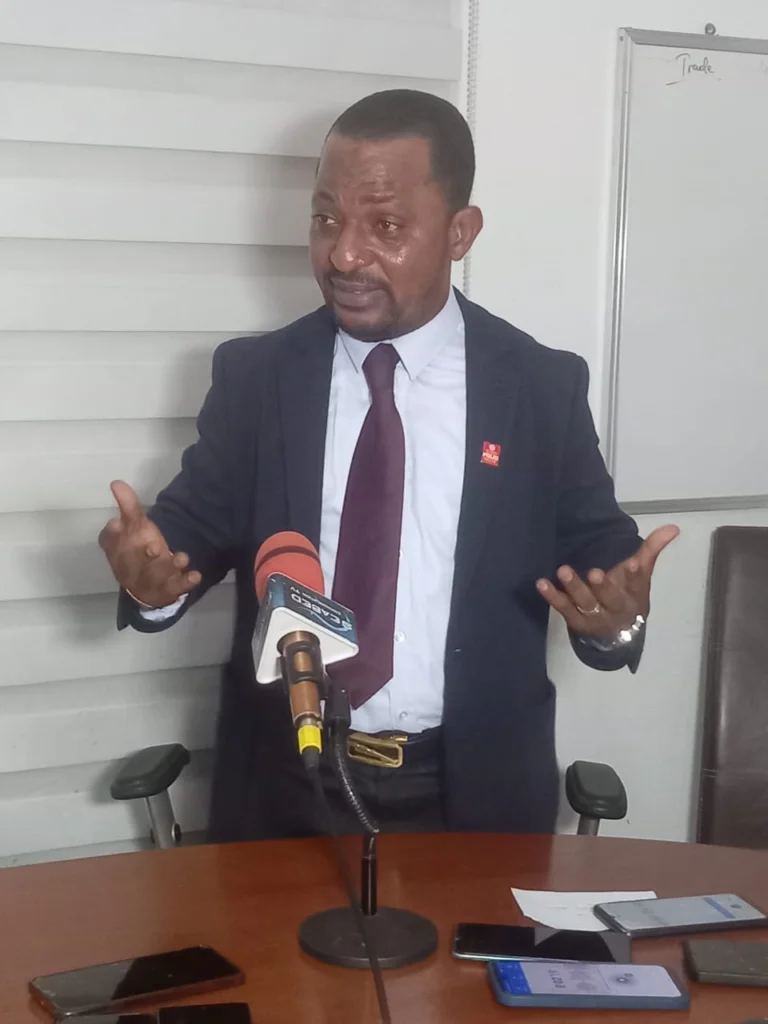
The Chief Consultant at Global Transport Policy, Dr. Segun Alade Musa has picked holes in the much awaited National Single Window (NSW) initiative of the Federal Government.
He maintained that Nigerians should not expect the long-delayed project to transform cargo clearance in the nation’s seaports and international border terminals.
Speaking at a Maritime Reporters Association of Nigeria (MARAN) roundtable in Apapa, Lagos, recently, Musa argued that the NSW is merely “an ordinary shell to house agencies.”
He stressed that unless the agencies themselves are properly equipped with infrastructure, the initiative will fail to deliver meaningful change.
His words: “Bringing agencies together under NSW is not the solution. Interactions may be faster, but without the needed infrastructure, the effort will be frustrated.”
Musa who is known for his vast knowledge and exposure of the cargo supply chain, recalled the Nigeria Customs Service (NCS) 1997 shift from the Long Room to the Customs Processing Centre (CPC) which was expected to speed up goods clearance but eventually changed little or nothing.
He expressed dismay that despite the optimism that accompanied that shift decades ago, the anticipated transformation in cargo clearance processes did not fully materialize.
He argued that Nigeria risks repeating the same pattern if structural inefficiencies in the system are not addressed before celebrating technological upgrades.
He maintained that technology alone cannot fix systemic inefficiencies at the nation’s ports, pointing out that NSW is “an ordinary shell to house agencies.”
According to him, without robust institutional reform and infrastructure upgrades, the platform may produce little more than cosmetic change. Nigerians should not assume that merging agencies into a unified digital interface would automatically translate into faster cargo clearance or reduced bottlenecks. The real challenge lies not in software integration but in the operational capacity of the agencies expected to function within the new framework.
Continuing, he said: “Bringing agencies together under NSW is not the solution. Interactions may be faster but without the needed infrastructure, the effort will be frustrated.”
The transport policy expert also picked holes in NCS long-standing practice of assigning revenue targets to its various commands annually.
Describing revenue-driven performance metrics as “a lazy way of running the economy,” he insisted that the core mandate of NCS should be trade facilitation rather than aggressive revenue generation.
Celebrating higher revenue collections, he added, may signal deeper distortions in the trade environment rather than economic progress.
While acknowledging recent automation efforts within NCS, Musa maintained that digitising licences alone would not be sufficient to drive comprehensive reform.
He advocated for a full end-to-end automation, seamless inter-agency coordination, and a fundamental shift in institutional culture to ensure that NSW achieves its intended impact.
While commending the Comptroller-General of NCS, Dr. Adewale Bashir Adeniyi for the strides he has already made since his appointment by President Ahmed Bola Tinubu, Musa stressed that meaningful transformation will require more than ambition.
According to him, genuine progress will demand infrastructure, accountability and a clear commitment to prioritising trade efficiency over revenue optics that does not address the real issues at stake.