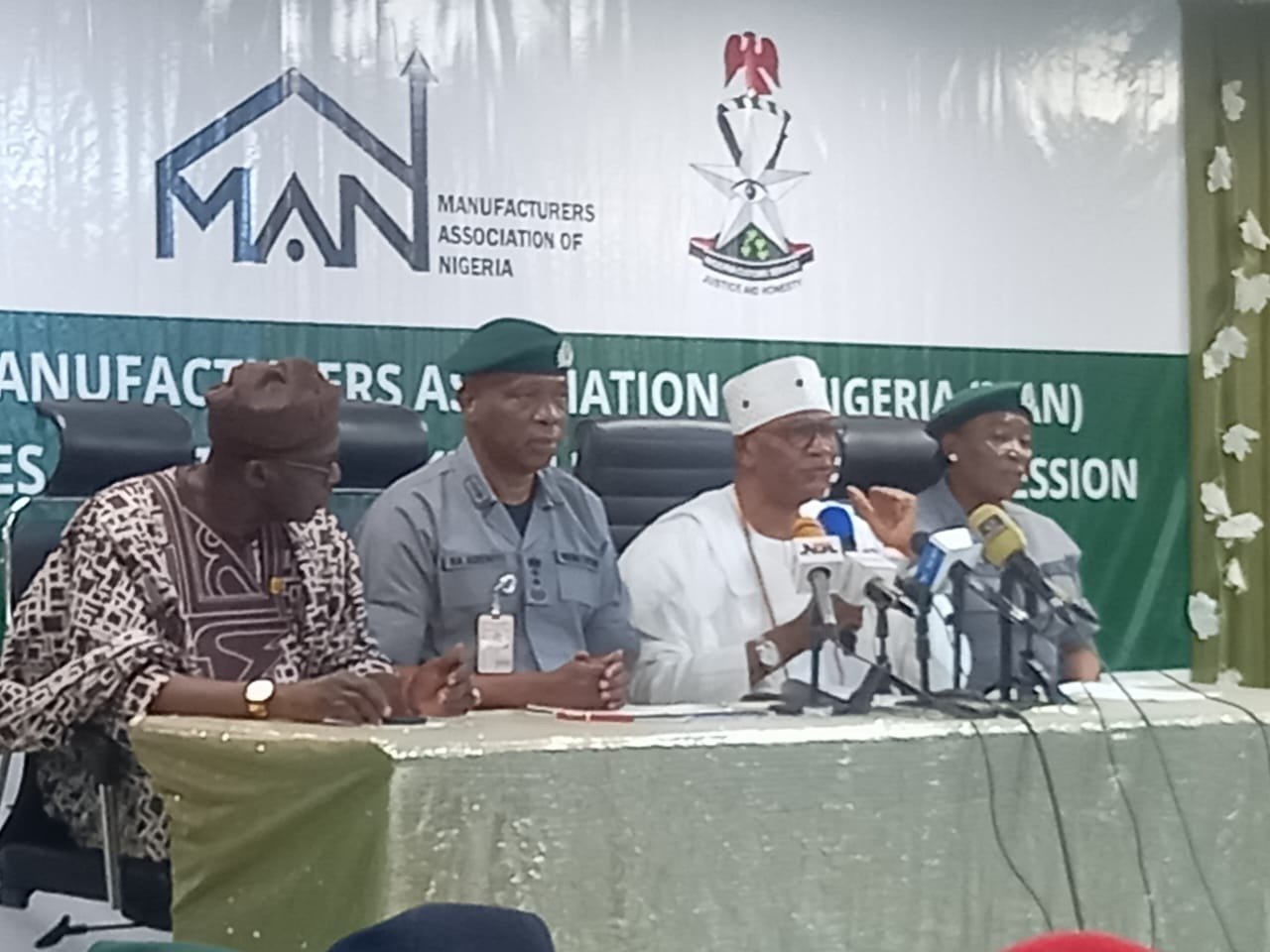
The Nigeria Customs Service (NCS) and the organized private sector (OPS) under the auspices of Manufacturers Association of Nigeria (MAN) have reached concessions on the controversial 4% Free-on-Board (FOB) charge by the Federal Government.
The deal which took hours to arrive is meant to exempt manufacturers in the country from the 4% FOB charge and deepen trade facilitation efforts of the Federal Government which the President Bola Ahmed Tinubu’s administration has been pushing since it took the reins of administration on May 29, 2023.
Maritime Bits checks revealed that the concessions which were reached today at MAN secretariat, Ikeja, Lagos is a landmark move to strengthen Nigeria’s industrial base and ease the cost of doing business in the country.
The meeting between NCS and MAN was convened in response to the Ministry of Finance’s directive and the suspension of the 4% FOB charge as well as the demand for the Customs High Command to embark on stakeholders’ engagements to secure their buy in.
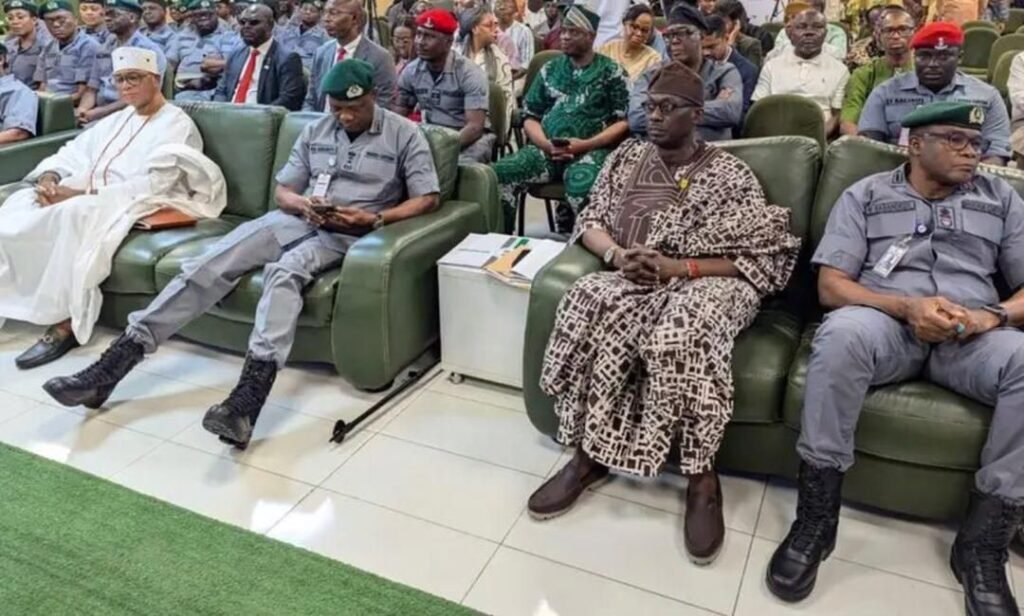
Described as a “strategic agreement” to address some of the knotty issues raised by critical stakeholders in the maritime sector of the economy and beyond, the deal was the fruits of brainstorming and negotiations on the way forward.
The deal was made public by the Comptroller-General of Customs (CGC), Alhaji Adewale Bashir Adeniyi at the end of long hours of meeting and high level of consultation between the top echelon of NCS and OPS led by MAN President, Otunba Francis Meshioye.
The parley addressed key concerns raised by manufacturers, including multiple checkpoints, system alerts, and technical glitches on the B’Odogwu platform. MAN also provided insights into operational challenges affecting competitiveness in the sector.
Among other things, the key outcomes of the agreement are the exemption from 4% FOB charges for manufacturers importing raw materials, machinery and spares under chapters 98 and 99 of the Customs Tariff; onboarding of additional manufacturers not currently listed under those chapters to benefit from the exemption; and tripartite consultations between NCS, MAN, and the Ministry of Finance to expedite onboarding and streamline processes.
Other components of the agreement are credit system for manufacturers who have already paid the 4% FOB charge, allowing future use after onboarding; as well as additional exemptions for humanitarian goods, healthcare-related imports, government projects, and commercial airline spare parts.
The NCS also briefed MAN on ongoing trade facilitation initiatives including the Authorised Economic Operator (AEO) programme, Advance Ruling, and Time Release Studies.
MAN commended the AEO scheme and called for clear admission guidelines to encourage broader participation.
In the same vein, both organizations agreed to establish formal consultation mechanisms for regular dialogue on customs policy, proactive feedback systems, and periodic reviews to assess progress and identify new collaboration opportunities.
The CGC told participants at meeting that the consultation was part of NCS resolve all issues surrounding FOB.
His words: “This partnership reflects our shared commitment to Nigeria’s economic transformation through industrial growth, job creation, and export promotion”.
Apparently please with the development, Meshioye said: “Constructive dialogue like this is essential to building a predictable customs environment that supports manufacturing excellence”.
It was gathered that the engagement marks a significant step toward aligning NCS operations with industrial development goals by ensuring that regulatory frameworks support national revenue targets while enabling sustainable growth in the manufacturing sector.