
In a bid to streamline the cargo clearance processes, the Nigeria Customs Service (NCS) has unveiled what it called One Stop Shop (OSS) in Nigeria’s commercial nerve centre, Lagos.
Regarded as a simplified cargo clearance framework, the OSS initiative is aimed at boosting efficiency, transparency, and trade facilitation across the nation’s seaports situated in Lagos, Port Harcourt, Onne, Warri, and Calabar.
The Assistant Comptroller General of Customs (ACG), Mr. Mohammed Babadende in his address at the formal unveiling of OSS, charged importers and licensed customs agents to ensure that they are sincere in their declarations.
Babandede averred that sincere declaration makes OSS work better just as he stressed the need for interaction with stakeholders.
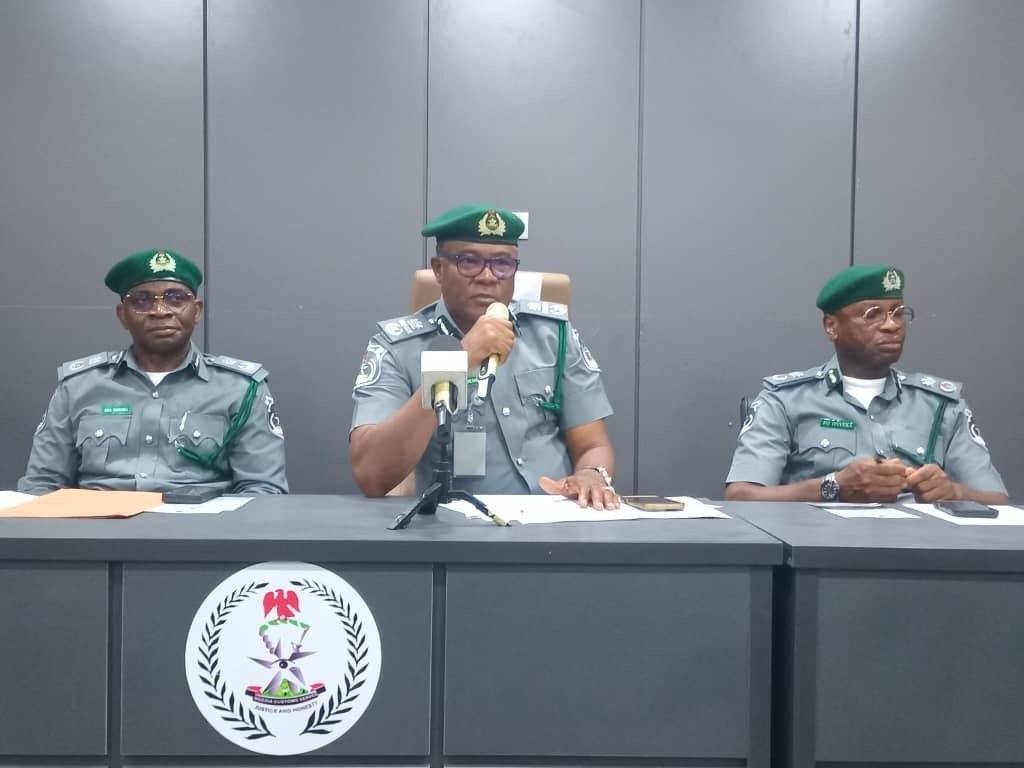
According to the Customs Chief, the interaction with stakeholders was necessary to keep them abreast with the workings of the new platform. It is meant to make trade facilitation seamless as possible.
In a bid to make the modalities of OSS clear to port users, the Project Manager, Apapa Area Command, Assistant Controller Olawale Onigbanjo explained that it integrates all critical NCS functions into a single digital platform.
Onigbanjo averred that the OSS initiative has what it takes to eliminate duplication and reducing delays in the cargo clearance processes.
He noted that the key steps in the OSS clearance process involves importers filing declarations through the Bodobo platform while on risk assessment the Customs Processing Center, CPC has to evaluate submissions against risk parameters, flagging non-compliant entries for review.
On joint review, Onigbanjo noted that the relevant Customs units — including valuation, intelligence, and physical examination — collaborate simultaneously on one platform; even as joint physical examinations are conducted when required, demand notices issued for additional duties, and seizures initiated if non-compliance is confirmed.
Onigbanjo noted that additional duties are assessed and processed digitally while for release and exit cargo is cleared for exit once requirements are met, with digital authorization visible to all stakeholders.
On dispute resolution, he explained that initial disputes are resolved within 14 hours, with structured escalation reducing resolution timelines from 21 days to as little as 48 hours.
He noted that the OSS initiative is designed to cut clearance times, improve predictability, and reduce errors. By consolidating processes and ensuring transparency, the system strengthens Nigeria’s trade facilitation framework while enhancing revenue collection.
“The initiative forms part of the broader reform agenda of Comptroller-General Adewale Adeniyi which prioritizes professionalism, compliance, and digital transformation in customs operations,” he added.
Not a few stakeholders in the maritime sector of the economy Industry stakeholders have welcomed the OSS initiative as a step toward aligning Nigeria’s port systems with global best practices.
They opined that it will position Nigeria for greater competitiveness in international trade.